On December 1, the World Bank announced a $6 billion investment to develop the South Johor Renewable Energy Corridor project in Malaysia. The project, with a capacity of 4 GW/5.12 GWh, is being advanced by the International Finance Corporation, Johor’s investment agency PDT, and local energy company Ditrolic Energy. It marks a key milestone in implementing the ASEAN Power Grid initiative.
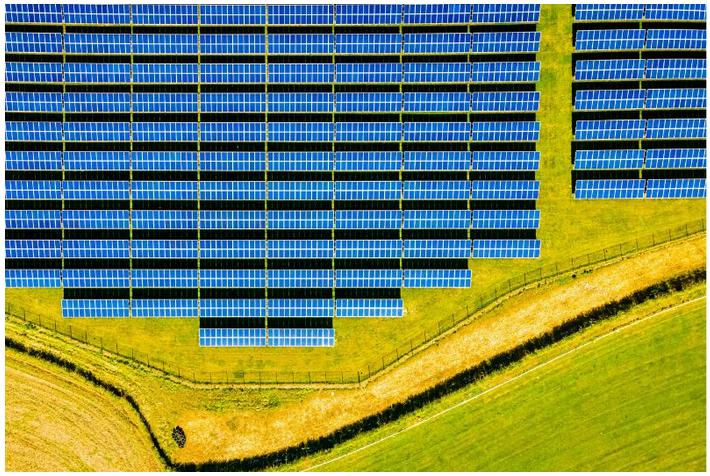
The project plans to deploy large-scale solar and energy storage facilities across an area of approximately 2,000 square kilometers in Johor, focusing on solar resources in the Kota Tinggi and Mersing regions. As a core energy component of the Johor-Singapore Special Economic Zone master plan, the project is set to become a top-tier clean power production hub in Southeast Asia, supplying electricity directly via cross-border transmission systems to power-strapped Singapore.
According to data from Singapore’s Energy Market Authority, the country plans to import 6 GW of low-carbon electricity by 2035, accounting for one-third of its energy demand at that time. An IFC representative stated that the project’s low-cost renewable electricity will meet both local business needs in Johor and the energy demands of regional hyperscale data centers and manufacturing industries. This aligns with Johor’s call for high-efficiency energy solutions following its suspension of low-efficiency data centers.
As a core node of the ASEAN Power Grid initiative, this project resonates with the recent ASEAN Grid Financing Initiative jointly launched by the Asian Development Bank and the World Bank. Current cross-border interconnection capacity in ASEAN stands at 7.7 GW and is planned to double by 2040, with the South Johor Corridor providing critical support toward this goal. CEO of Ditrolic Energy, Tan Chee Aun, noted that Johor-based enterprises will leverage this corridor to strengthen their clean energy export capabilities, laying a solid foundation for low-carbon transformation in regional industries.
Industry analysis suggests that the project’s integrated solar-plus-storage model effectively addresses the intermittency challenges of renewable energy. It not only supports Malaysia’s goal of increasing renewable energy generation by 2030 but also offers Singapore a new pathway for diversifying its energy imports. As the project progresses, regional energy cooperation in Southeast Asia is entering a substantive phase, providing a key demonstration for ASEAN’s $764 billion grid construction plan.