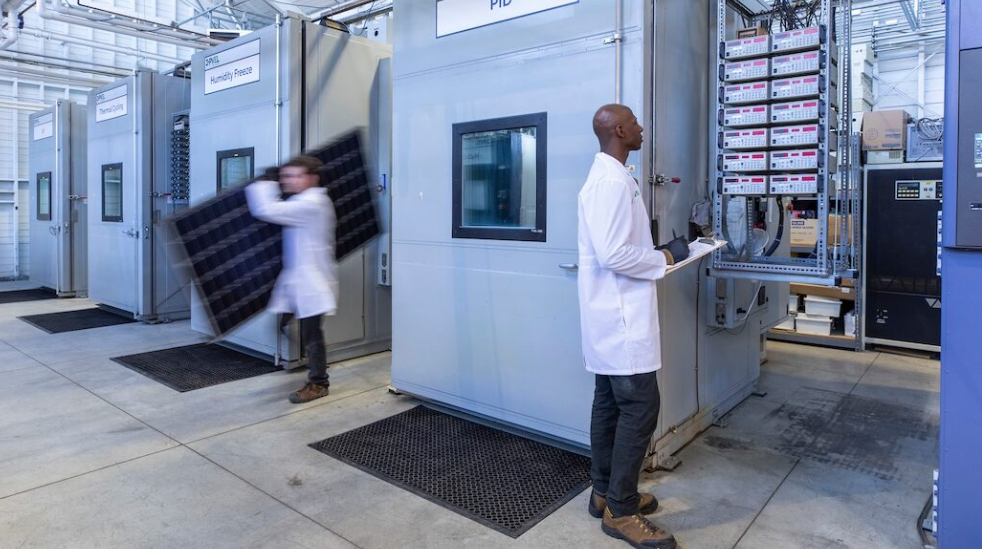
As manufacturers struggle to achieve consistent quality through robust bill of materials (BOM) and process controls, defects in photovoltaic modules are increasing. This is a key finding from technical consultant Kiwa PI Berlin’s annual photovoltaic module manufacturing quality report, which highlights a “clear and concerning trend” of rising quality deficiencies.
For over a decade, Kiwa PI Berlin has been conducting quality assurance audits and pre-shipment inspections of modules. During this period, the organization states it has witnessed fluctuations in quality as technologies mature and are rapidly adopted by new market entrants.
However, Kiwa PI Berlin reports that in 2025, the rate of non-conforming defects identified during pre-shipment inspections of modules reached a record high for over ten years, at 3.36%. This figure surpassed the high defect rates seen in 2023 and 2024, coinciding with TOPCon displacing PERC as the mainstream photovoltaic technology in the solar industry.
Kiwa PI Berlin attributes the surge in 2025 defects to policy uncertainties in the United States—including a heightened focus on supply chain transparency—as well as the rapid expansion of cell and module manufacturing capacity in emerging manufacturing hubs such as the U.S. and Africa.
Regarding the shift of manufacturing capacity to new regions, Kiwa PI Berlin states there is evidence that ramping up production in these areas faces “significant challenges,” including inadequate facilities and infrastructure, shortages of experienced engineers and skilled workers, and ongoing supply chain disruptions affecting raw materials and equipment spare parts.
The report states: “The uncertainties associated with this transition are expected to persist into 2026 and may continue to exert downward pressure on product quality.”
Chinese manufacturers, facing intense price competition, are under similar pressure. As profit margins shrink, aggressive cost-cutting has led to the loss of skilled production personnel and their technical expertise. Combined with unstable production schedules, this further increases manufacturing risks, according to the report.
Overall, among the 85 factories audited by Kiwa PI Berlin in 2025, only 5% received an “Excellent” rating, with most falling between “Above Average” and “Average.” Notably, 21% of the factories were rated “Below Average” or “Poor.” The inspection body states this highlights “persistent risks to long-term reliability, which certifications alone may not sufficiently assure or fully mitigate.”
New Defect Patterns
This year’s reported findings also highlight new defect patterns emerging in the production process. These issues include lamination alignment accuracy, laminate integrity, and junction box assembly—all of which directly impact module performance, reliability, and safety.
The report also notes that batch testing shows an increase in failures such as Potential Induced Degradation (PID), underscoring weaknesses in manufacturers’ BOM and process controls.
This finding mirrors similar trends highlighted in the latest Module Scorecard report by Kiwa PI Berlin’s sister organization, Kiwa PVEL, which documented an increase in BOM testing failures.
Kiwa PI Berlin points out: “The growing variability in manufacturing processes further exacerbates these risks. To remain competitive, buyers must place greater emphasis on quality planning and implement robust control measures to ensure their products stand out in the market.”
The report also mentions a positive development: cell-related defects in TOPCon production, which had been a major focus over the past two years or so, have decreased to levels comparable with the more mature PERC technology, reflecting “significant quality improvements.”
The report states: “These improvements are attributed to optimized cell-level designs, material enhancements, and the accumulation of production expertise and experience in TOPCon cell manufacturing.”
Looking ahead, Kiwa PI Berlin states that the continued growth and technological advancement of the photovoltaic industry will require greater diligence in quality assurance.
The report concludes: “Manufacturing millions of PV modules using hundreds of BOM combinations across dozens of emerging and expanding factories is indeed a challenge. By integrating data-driven quality assurance practices into procurement and project execution, stakeholders can not only navigate these complexities but also strengthen the role of PV as a cornerstone of the global energy transition.”