The Abu Dhabi Energy Authority (DoE) has officially launched the second phase of its solar self-supply policy, expanding its application from the agricultural and livestock sectors to villas and residential buildings. The move aims to further promote the popularity of distributed photovoltaic and battery energy storage systems (BESS) and improve the energy efficiency of end users.
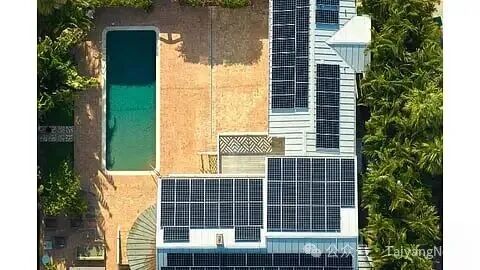
The solar self-sufficiency policy was initially launched in February 2026. The first phase mainly focuses on promoting the installation of distributed photovoltaic and energy storage facilities in the agricultural sector, rest rooms and farmers.
The Energy Bureau recently released the second phase of the policy, the policy dividend will benefit villa owners and residential buildings. According to the policy, end consumers can not only use solar energy to meet their power needs during the day, but also store excess power in batteries, thereby achieving a high degree of spontaneous self-use. This not only reduces the household’s electricity expenditure, but also effectively improves the overall operating efficiency of the national grid through flexible production and consumption plans.
In order to lower the installation threshold, the Abu Dhabi government will provide a simplified regulatory framework to optimize the installation procedure and shorten the grid connection process. At the same time, the government has also formulated standardized technical requirements to ensure the safety and efficient operation of distributed photovoltaic systems.
Abdulaziz Mohammed Al Obaidli, Director General of Regulatory Affairs of the Abu Dhabi Energy Authority, said: “The implementation of the Phase 2 policy is a key step in advancing the energy strategy. By integrating the residential sector, it can significantly improve energy consumption efficiency and support the deep integration of the power system.”