facing the situation that trump administration reduces its support for renewable energy, the solar energy industry association (SEIA) of the United States has released the latest policy agenda “policy agenda for photovoltaic and energy storage industry of reliable and safe power grid (solar and Storage Industry policy agenda for a Reliable, secure grid)”, focusing on the construction of local supply chain, the upgrading of transmission facilities and the fast track of grid connection in high demand areas, designed to meet the growing power needs of artificial intelligence (AI) and data centers.
SEIA President and CEO Abigail Ross Hopper pointed out: “The reliability of the U.S. power grid and the ability to meet future energy needs depend on adding more solar and energy storage to the energy mix.” She stressed that the core of the reliability policy agenda is to strengthen the grid through coordinated action at all levels of government.
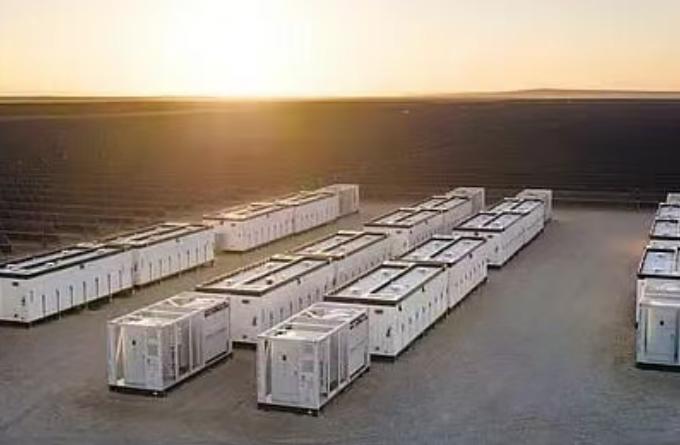
For local manufacturing and supply chains, the agenda clearly proposes to support the development of domestic supply chains for solar and energy storage products and components, and establish corresponding traceability standards.
In order to meet the load challenges of AI and data centers, SEIA proposes to create a regulatory fast track for “optical storage integration” projects in areas with high load growth. At the same time, the agenda calls for reforming the grid-connection process to reduce expensive delays and make solar and energy storage projects more quickly connected to the grid; and advocates modernizing the transmission infrastructure and expanding the capacity of the grid to deliver more electricity.
In addition, the agenda also advocates investment in long-term energy storage technologies by fostering new research and deployment strategies. SEIA calls for a reform of wholesale electricity market design to properly account for the value of solar and energy storage to the grid; and a reform of state utility resource planning to assess solar and energy storage as capacity and energy resources that support reliability.
The agenda also places special emphasis on incentives for distributed energy resource (DER) programs, including unlocking virtual power plants to strengthen local and large-capacity grids. Specifically, SEIA is calling for the deployment of 1-10 MW of additional “pre-meter” distribution connection optical storage systems to delay and postpone the need for distribution network upgrades while supporting the large power grid. Hopper added: “If this administration is serious about winning the AI race, it will require policymakers at all levels to come up with common sense grid strengthening policies to accelerate the deployment of solar and energy storage. Implementing this agenda will help us meet soaring energy demand and keep energy prices low for households.”