The characteristics of vanadium batteries determine their irreplaceable position in specific application scenarios. Large-scale renewable energy grid: this is the “main battlefield” of vanadium batteries “. Its long-term energy storage (4-12 hours), long life and safety, perfect match the wind farm, photovoltaic power plant smooth output, peak filling needs, to ensure the stability of the power grid. Grid frequency regulation and backup power supply: although the response speed is not as good as flywheel energy storage, its power regulation ability and deep charging and discharging characteristics are suitable for participating in the auxiliary services of the grid. Backup power supply for important facilities: For communication base stations, data centers, hospitals and other places with high safety requirements, the non-combustible and non-explosive characteristics of vanadium batteries provide extremely high safety guarantee. Independent power supply system in remote areas: combined with renewable energy, it provides stable, reliable and simple maintenance clean energy solutions for islands and border posts.
basic principles and characteristics of 1.
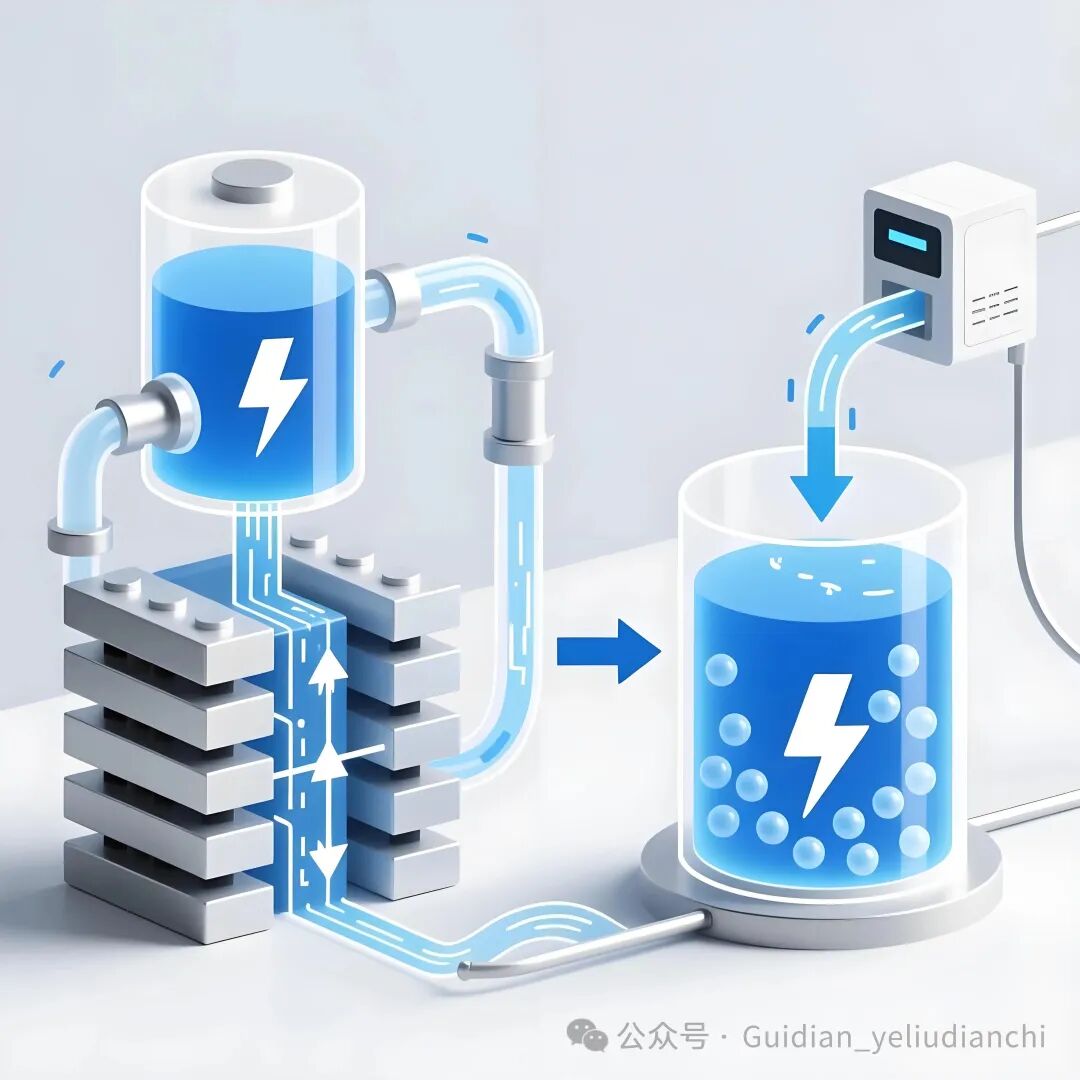
all vanadium redox flow battery is mainly composed of positive electrode, negative electrode and electrolyte, the positive electrode uses vanadium oxide, the negative electrode uses sulfate, and the electrolyte is a sulfuric acid solution containing vanadium ions. The working principle of the all-vanadium redox flow battery is to generate electrical energy through ion exchange formed between the positive and negative electrodes. Vanadium redox flow battery has the advantages of high energy density, no pollution, long life and high efficiency, and is widely used in solar energy, wind energy, energy storage and other fields.
2. technical parameters and performance indicators
In order to meet the needs of different fields and scenarios, the technical parameters and performance indicators of all vanadium redox flow batteries are also different. In the general technical conditions, it is necessary to specify relevant parameters and indicators so that production and use units can make corresponding selection and confirmation. Generally speaking, the basic parameters of the all-vanadium redox flow battery include rated voltage, rated capacity, cycle life, self-discharge rate, etc., and the performance indicators include energy density, power density, electrochemical stability, etc.
3. production and installation requirements
The production and installation of all-vanadium redox flow batteries need to follow certain specifications and standards to ensure product quality and safety. Production requirements include the selection of raw materials, quality control, production processes, etc., and installation requirements include the site environment, installation methods, safety measures, etc. At the same time, the production and installation process requires strict testing and testing to ensure that the product meets the technical requirements.
4. use and maintenance requirements
In the daily use and maintenance process, all-vanadium redox flow batteries need to follow certain requirements to ensure good performance and life. Use requirements include operating conditions, charging and discharging methods, protective measures, etc., and maintenance requirements include inspection, cleaning, and maintenance. At the same time, it is also necessary to establish a sound management system and formulate detailed use and maintenance procedures to ensure the normal operation and safe use of all-vanadium redox flow batteries.
In short, the formulation of the general technical conditions for all-vanadium redox flow batteries is the specification and promotion of this new battery technology, and is the result of the joint efforts of the industry, enterprises and users. Only with everyone’s efforts can all-vanadium redox flow batteries play their best role and contribute to sustainable development and green energy.