Wood Mackenzie, a market research organization, predicts that in order to lock in the investment tax credit (ITC) stipulated in the Inflation Reduction Act (IRA) before the deadline of July 4, 2026, US developers may reserve up to 216-240GW of photovoltaic modules according to the “safe harbor” clause. This reserve is sufficient to meet projected U.S. capacity needs by the end of the decade, but supply chain constraints, tariff policies, and foreign entity (FEOC) rules continue to pose significant obstacles to project completion on time.
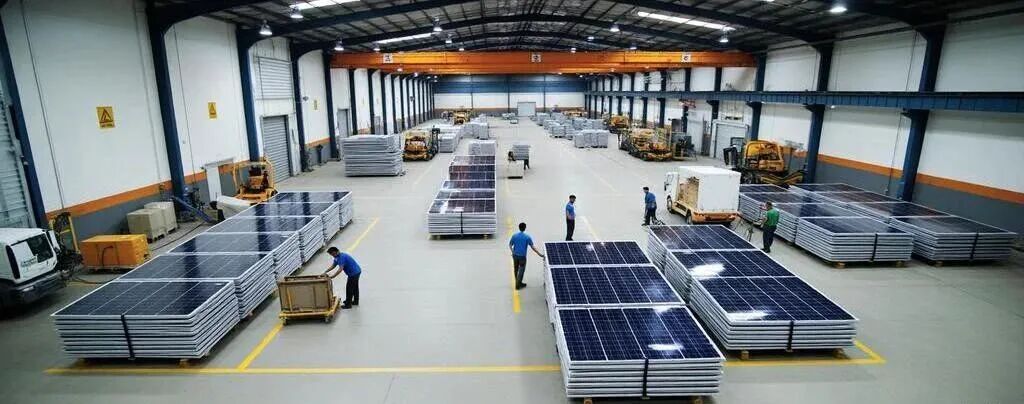
Since the middle of 2024, U.S. developers have set off an” unprecedented “wave of PV module safe harbor reserves. Wood Mackenzie stated in his report “Safe Harbor Status: Strategic Outlook for U.S. Utility-Scale Solar Development (The state of safe harboring: A strategic outlook for US utility-scale solar development)” that the developer’s move is to respond to policy changes and ensure that the project meets the eligibility requirements for tax credits.
according to the “One Big Beautiful Bill Act” (OBBBA) signed by the trump administration on July 4, 2025, only those scenic projects that start construction within 12 months after the passage of the bill or are put into operation before December 31, 2027 are eligible for the 30% clean energy tax credit stipulated by IRA. This means that developers have four years to complete the project and retain the full credit.
However, the policy environment is constantly changing, which forces developers to continuously adjust their strategies. The Internal Revenue Service (IRS) issued a notice stating that from September 2, 2025, projects with installed capacity of more than 1.5MW AC will no longer apply the “5% safe harbor” method, but must pass the “physical engineering test (Physical Work Test)” to prove continuous construction on site. In addition, the guidelines on “foreign entities of concern (FEOC)” also require developers to quickly adjust their supply chain layout within a short period of time.
Despite the safe harbor reserve, Mackenzie Wood stressed that the project still faces many risks. Developers must continue to meet Internal Revenue Service (IRS) requirements for spending thresholds, continuous construction, and FEOC compliance. Financing delays, equipment supply shortages and grid connection lags may prevent some projects from meeting the July 4, 2026 deadline.